

Teeth whitening shade guides are essential tools for dental professionals, facilitating consistent and objective assessment of tooth color changes during bleaching treatments․

These guides, available in various formats like 2D, 3D, and digital, help track whitening progress and manage patient expectations effectively․
Professionals utilize these guides to compare teeth color before and after procedures, ensuring optimal aesthetic results and patient satisfaction․
What is a Teeth Whitening Shade Guide?
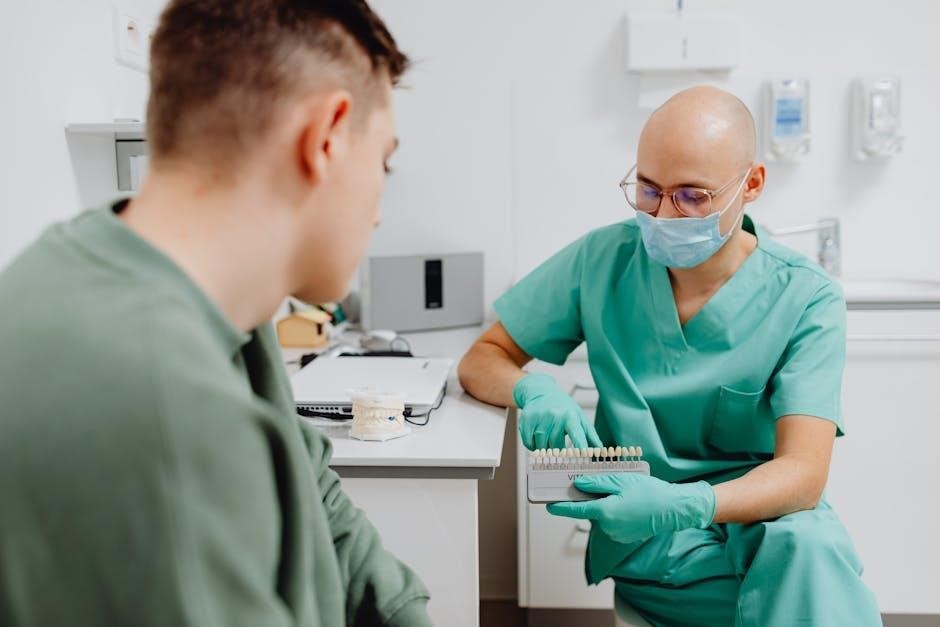
A teeth whitening shade guide is a standardized tool used in dentistry to assess and document the color of a patient’s teeth․ These guides typically consist of a series of porcelain or acrylic teeth, each representing a different shade on a color scale․
They are crucial for objectively measuring a tooth’s initial color before whitening, monitoring changes throughout the treatment process, and ultimately, determining the final outcome․ Guides, like the EZGO Professional 3D R-20, feature multiple shades, allowing for precise comparison․
They aid in comparing teeth color under various lighting conditions, as highlighted by Amazon listings, ensuring accurate evaluation and documentation․
Why Use a Shade Guide?
Utilizing a teeth whitening shade guide offers numerous benefits in dental practice․ Primarily, they provide a standardized, objective method for evaluating tooth color, minimizing subjective assessments․ This is vital for accurate treatment planning and tracking whitening progress, as demonstrated by products on Amazon and eBay․
Shade guides facilitate clear communication with patients regarding realistic expectations․ Showing patients their initial shade and potential outcomes builds trust and satisfaction․
Furthermore, guides like the 3D charts from cosmedicadental․com, allow for a more comprehensive color evaluation, beyond basic shades, ensuring optimal aesthetic results․
Types of Teeth Whitening Shade Guides
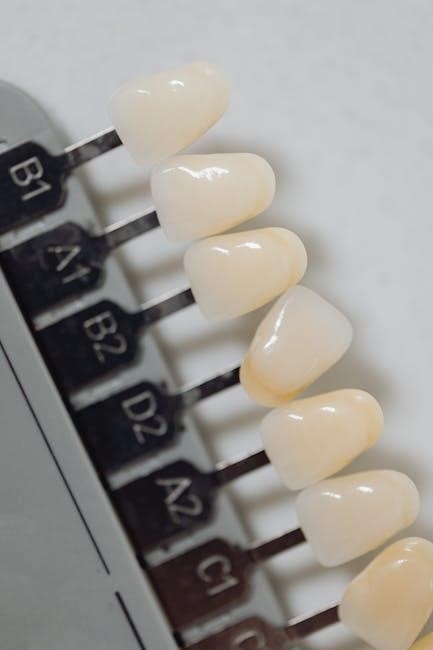
Teeth whitening shade guides come in diverse forms: traditional 2D guides, comprehensive 3D versions offering nuanced color evaluation, and modern digital guides for precision․
These options cater to varying practice needs and preferences․
Traditional 2D Shade Guides
Traditional 2D teeth whitening shade guides represent a foundational approach to color matching, utilizing a linear arrangement of tooth shades․ These guides typically feature a series of tabs or chips, each displaying a different hue and value, allowing dentists to visually compare a patient’s teeth to the standardized shades․
While cost-effective and easy to use, 2D guides have limitations․ They don’t account for chroma, the intensity of the color, potentially leading to less accurate assessments․ Despite this, they remain a common starting point for many dental practices due to their simplicity and familiarity․
They are useful for initial assessments and quick comparisons․
3D Shade Guides: A More Comprehensive Approach
3D teeth whitening shade guides represent a significant advancement over traditional 2D systems, offering a more nuanced and accurate method for color determination․ These guides evaluate tooth color across three dimensions: hue, value, and chroma, providing a comprehensive assessment of a tooth’s shade․
Constructed from high-quality porcelain, 3D guides mimic natural tooth structure, enhancing color perception․ They are specifically designed for modern bleaching treatments, expanding beyond natural shades to include brighter tones․ This allows for precise tracking of whitening progress and better patient communication regarding achievable results․
They are considered professional tools․
Digital Shade Guides
Digital teeth whitening shade guides are emerging as a cutting-edge alternative to traditional physical guides, leveraging technology for enhanced precision and efficiency․ These systems typically involve a handheld device or intraoral scanner that captures the tooth’s color digitally․
The captured data is then analyzed using specialized software, providing a precise shade reading based on established color scales․ Digital guides minimize subjective interpretation, offering consistent and reproducible results․ They also facilitate easy storage and retrieval of shade information for tracking treatment progress and maintaining patient records․
They are a modern approach․

Understanding the Shade Scale
Teeth shade scales, like Vita Classical and R-20, categorize tooth color based on hue, value (lightness/darkness), and chroma (intensity)․
These systems provide a standardized framework for consistent shade assessment and communication among dental professionals․
Vita Classical Shade Scale
The Vita Classical Shade Scale, a longstanding standard in dentistry, organizes tooth shades into four main groups – A, B, C, and D – representing different hues․ Each group contains shades numbered 1 through 4, with 1 being the lightest and 4 the darkest․
This system primarily focuses on hue and value, offering a relatively simple yet effective method for shade selection․ However, it lacks a comprehensive assessment of chroma, which can be a limiting factor in achieving highly aesthetic results․
Despite its limitations, the Vita Classical scale remains a valuable tool, particularly for its familiarity among dental professionals and its ease of use in basic shade matching scenarios․
It’s often used as a foundational reference point when transitioning to more advanced shade systems․
The R-20 Shade Guide (Most Common)
The R-20 Shade Guide is currently the most widely utilized system for evaluating teeth whitening progress, favored by many dental professionals for its comprehensive approach․ It features twenty distinct shades, arranged sequentially to illustrate incremental changes in tooth color․
This guide allows for precise tracking of whitening results, enabling clinicians to demonstrate noticeable improvements to patients throughout the treatment course․
The R-20 system is particularly useful for monitoring subtle shifts in shade that might be missed with less detailed guides;
Its popularity stems from its practicality and effectiveness in clinical settings․
Understanding Hue, Value, and Chroma
Accurate shade matching requires understanding three key components: hue, value, and chroma․ Hue refers to the tooth’s dominant color – yellow, red, or gray․ Value represents the lightness or darkness of the tooth, ranging from light to dark․ Chroma describes the intensity or saturation of the color, indicating how vivid or muted it appears․
Modern 3D shade guides, like those expanding beyond natural shades, evaluate color in these three dimensions․
Considering all three elements ensures a more precise and individualized approach to teeth whitening, leading to optimal aesthetic outcomes․
Using a Shade Guide Effectively
Optimal results depend on consistent technique․ Proper lighting and standardized patient positioning are crucial for accurate shade recording before, during, and after whitening․
Careful documentation ensures effective treatment planning and progress tracking․
Proper Lighting Conditions
Achieving accurate shade matching necessitates meticulous control over lighting; Natural daylight is often preferred, but inconsistent sunlight makes it unreliable․ Therefore, utilizing a standardized color-correcting dental light is paramount․
These specialized lights emit a consistent spectrum, minimizing metamerism – where colors appear to match under one light but differ under another․
Avoid ambient room lighting, as it introduces unwanted hues․ The light source should be directed at the teeth, not the shade guide, to prevent reflected light from influencing the assessment․ Consistent lighting ensures reliable comparisons before and after whitening procedures, leading to predictable and aesthetically pleasing outcomes․
Patient Positioning
Optimal patient positioning is crucial for accurate shade assessment using a whitening shade guide․ The patient should be comfortably reclined with their head supported, ensuring a stable and relaxed posture․
The operator should position themselves directly in front of the patient, maintaining consistent eye level․
A slight retraction of the lips and cheeks using a mirror or cheek retractor is essential to isolate the teeth and eliminate shadows․ Ensure the patient’s tongue is also retracted․ Proper positioning minimizes distortion and allows for a clear, unobstructed view of the teeth, facilitating precise shade matching before, during, and after treatment․
Recording Initial Shade
Accurate recording of the initial tooth shade is paramount for tracking whitening progress․ Before commencing any treatment, carefully compare the patient’s teeth to the shade guide under standardized lighting․
Select the shade tab that most closely matches the central incisors, noting the hue, chroma, and value․
Document this initial shade meticulously in the patient’s record, including the specific shade guide used (e․g․, Vita, R-20)․ Consistent documentation allows for objective evaluation of treatment efficacy and provides a baseline for future comparisons․

Benefits of Using Shade Guides
Shade guides enable accurate treatment planning, track whitening progress objectively, and facilitate clear communication with patients regarding realistic expectations and achievable results․
Accurate Treatment Planning
Utilizing a teeth whitening shade guide is paramount for formulating a precise and effective treatment plan․ Before initiating any whitening procedure, a thorough assessment of the patient’s existing tooth shade is crucial․
The guide allows dentists to establish a baseline, identifying the initial hue, value, and chroma of the teeth․ This detailed record informs the selection of appropriate whitening agents and techniques, tailoring the approach to the individual’s needs․
By accurately determining the starting shade, clinicians can set realistic goals and predict the potential outcome of the treatment, ensuring patient satisfaction and optimal aesthetic results․
Tracking Whitening Progress
Teeth whitening shade guides are invaluable for monitoring the effectiveness of bleaching treatments over time․ Regular shade comparisons, using the guide, allow dental professionals to objectively document the incremental changes in tooth color․
This systematic tracking enables adjustments to the whitening protocol if progress plateaus or deviates from the desired outcome․ The guides facilitate clear visualization of improvements, motivating both the dentist and the patient․
By recording shades at each appointment, a comprehensive record is created, demonstrating the treatment’s efficacy and providing valuable data for future reference and treatment planning․
Patient Communication and Expectations
Teeth whitening shade guides are powerful communication tools, bridging the gap between a patient’s desired outcome and the realistic possibilities of bleaching․ Showing patients the shade guide allows them to visually select their target shade, fostering a collaborative treatment planning process․
This visual aid helps manage expectations by demonstrating the range of achievable results and clarifying that individual responses to whitening vary․
Using the guide, dentists can explain the whitening process and potential limitations, ensuring patients have a clear understanding of what to expect throughout the treatment journey․

Materials and Construction of Shade Guides
Teeth whitening shade guides are commonly constructed from porcelain, acrylic, or plastic materials, each offering varying durability and aesthetic qualities․
Porcelain guides provide excellent color accuracy, while acrylic and plastic options are more affordable and lightweight․
Porcelain Shade Guides
Porcelain shade guides are considered the gold standard due to their exceptional color stability and lifelike appearance, closely mimicking natural tooth enamel․
These guides exhibit a high degree of translucency and surface texture, allowing for accurate shade matching under diverse lighting conditions․
The material’s resistance to staining and wear ensures long-term reliability, making them a preferred choice for professional dental practices․
However, porcelain guides are generally more expensive and fragile compared to acrylic or plastic alternatives․
Their durability requires careful handling and storage to prevent chipping or breakage, ensuring consistent and accurate shade assessment over time․
Acrylic Shade Guides
Acrylic shade guides present a cost-effective alternative to porcelain, offering a balance between affordability and functionality for dental professionals․
These guides are more durable and less prone to chipping than porcelain, making them suitable for everyday use in busy clinical settings․
While acrylic doesn’t replicate the exact translucency of natural teeth as effectively as porcelain, it still provides reasonably accurate shade matching capabilities․
They are easier to clean and disinfect, contributing to improved hygiene protocols within the dental practice․
However, acrylic can be susceptible to color changes over time with prolonged exposure to light or certain cleaning agents․
Plastic Shade Guides
Plastic shade guides represent the most economical option for dental professionals seeking a basic tool for teeth whitening assessment․
These guides are lightweight and easily portable, making them convenient for use in various clinical environments or even off-site consultations․
However, plastic shade guides generally offer the least accurate color representation compared to porcelain or acrylic alternatives․
They are more prone to wear and tear, discoloration, and potential distortion over time, impacting their reliability․
Despite these limitations, plastic guides can serve as a preliminary screening tool before utilizing more precise shade-matching systems․

Shade Guide Maintenance and Care
Regular cleaning and disinfection of shade guides are crucial to maintain accuracy and prevent cross-contamination between patients․
Proper storage, away from direct light and extreme temperatures, also extends the lifespan of these essential dental tools․
Cleaning and Disinfection
Maintaining impeccable hygiene for teeth whitening shade guides is paramount in a clinical setting․ After each patient use, guides should undergo thorough cleaning to remove any potential contaminants like saliva or debris․
Utilize a soft, non-abrasive cloth dampened with a dental-grade disinfectant solution – following the manufacturer’s instructions precisely is vital․
Avoid harsh chemicals or abrasive cleaners that could damage the shade guide’s surface, altering its color accuracy․
Ensure complete drying before storage to prevent microbial growth․
Regular disinfection protocols are essential for preventing cross-contamination and upholding patient safety standards․
Storage Recommendations
Proper storage significantly extends the lifespan and maintains the accuracy of teeth whitening shade guides․ Store guides in a clean, dry, and protective case when not in use, shielding them from direct sunlight and extreme temperatures․
Avoid storing them alongside potentially staining materials or chemicals․
Dedicated storage containers are ideal, preventing physical damage like scratches or chipping․
Regularly inspect the guides for any signs of damage or discoloration․
Consistent adherence to these storage guidelines ensures reliable color assessment for years to come, contributing to accurate treatment outcomes․

Future Trends in Shade Guide Technology
The evolution of teeth whitening shade guides is leaning towards increased digitalization and personalization․ Expect to see more sophisticated digital shade analysis tools integrating with practice management software for seamless record-keeping․
Artificial intelligence (AI) may play a role in automated shade matching and predicting whitening outcomes․
Portable, smartphone-integrated devices are also on the horizon, offering convenience and accessibility․
Research into more nuanced shade scales, beyond hue, value, and chroma, could refine accuracy․
Ultimately, these advancements aim for more precise, efficient, and patient-centric whitening experiences․